In 2021, I wrote a blog exploring the persistent gender imbalance in electronic music festivals, asking, Where Is She? At the time, data showed that female and non-binary artists were vastly underrepresented, with male performers dominating both line-ups and headline slots. The piece highlighted systemic barriers, the role of festival organisers, and the need for intentional measures like all-female line-ups and the Keychange initiative to shift the balance.
Four years have passed, and it’s time to revisit these questions. Have festivals and the industry made real strides toward equity, or are we still witnessing the same patterns of male dominance that the 2021 blog lamented? Drawing on the latest 2024 FACTS report from female: pressure, insights from initiatives like Not Bad For A Girl, and additional industry data, this update examines progress, ongoing challenges, and what the future might hold for women and non-binary artists in electronic music, from the biggest festivals to smaller, queer-focused events such as Maiden Voyage, Body Movements and other grassroots festivals, which often lead the way in equitable booking practices.
Where Is She? – Updated FACTS
The 2024 female:pressure FACTS report continues the long-running project of quantifying the gender distribution of artists at electronic music festivals worldwide. The 2024 edition analysed data from 175 festival editions across 110 unique festivals that took place in 2022–2023, covering a total of 11,353 acts for that period and 56,457 artists overall from 2012–2023 (female:pressure, 2024).
2021-2023 Gender Breakdown:
- 29.8% female acts
- 58.4% male acts
- 2.5% non-binary acts
- 6.9% mixed acts
The Not Bad For A Girl initiative reinforces these findings, highlighting how persistent male dominance in festival line-ups continues despite clear evidence that audiences are receptive to female and non-binary artists. The campaign emphasises that inclusion is not just a numbers game: visibility, access to headline slots, mentorship, and equitable booking all contribute to meaningful structural change.
In its recent Open Letter to the Dance Music Industry: Promoters, Festivals & Club Bookers, Artists and Fans’ Not Bad For A Girl, underscores why conversations around gender balance remain urgent. After analysing two 2026 line-ups from major UK festivals, the initiative found that nearly 80% of total acts were male, with all eight headline slots occupied by male artists. Across the top eleven lines of one festival poster, 87% of acts were male; nine out of ten artists were men, with no trans or non-binary artists represented at all.
Progress, But Still a Long Way to Go
There are positive signs of change; female and non-binary performers are appearing more frequently than a decade ago. Yet male artists still make up the majority of festival bookings, particularly at high-profile events. Smaller festivals and queer-focused events continue to lead by example, booking a larger proportion of female and non-binary acts, and amplifying emerging talent, something larger, legacy festivals often struggle to implement effectively (female:pressure, 2024)
Initiatives highlighted by Not Bad For A Girl show that when organisers commit to diversity, it is both achievable and commercially viable. Audiences support female and non-binary artists, challenging excuses that underrepresentation is due to ‘riskier’ bookings.
Mainstream vs Underground Festivals
Festival size and commercial scale seem to corilate. Large mainstream events average 15% female and non-binary performers, whereas smaller underground festivals and queer-focused events can reach 25% or higher (Jaguar Foundation, 2025). These events, such as Maiden Voyage and Body Movements, show that international, equitable programming works, providing a foundation for larger festivals to follow.
Audience Demand Contradicts Industry Excuses
Festival organisers often claim that women and non-binary artists are ‘riskier’ bookings. However, 2023 radio-play data show that female and male artists receive roughly equal airtime (Yahoo News, 2023). This aligns with findings cited by Not Bad For A Girl, which highlight that commercial viability is not a barrier and that audience demand is not the reason for the continued gender imbalance.
Music’s #MeToo – Broader Industry Context
Sexism, harassment, and accountability remain relevant in the music industry. Cases such as Erick Morillo, Derrick May, and Kamaal Williams demonstrate that misconduct can persist for decades without systemic accountability (Beaumont-Thomas, 2020; Ross, 2020). These structural gaps reinforce the need for gender representation not only on stage but in decision-making roles, as visibility and inclusion contribute to cultural change, safer spaces, and greater accountability for all artists.
Posters, Pondering, and Line-up Imbalances
Festival posters and line-up visuals continue to communicate who the industry considers important. Despite increased female representation overall, male artists still dominate deadline positions, reinforcing traditional hierarchies. Initiatives such as Book More Women, cited by Not Bad For A Girl, visually track these disparities and demonstrate where progress remains incomplete (Book More Women, 2024).
All-Female Line-Ups, 50/50 Pledges, and Grassroots Leadership:
Since 2021:
- PRS’s Keychange initiative has signed over 300 events worldwide, pushing festivals toward gender parity (Keychange, 2025).
- Male artists still dominate deadliner positions and high-profile bookings (DJ Mag, 2022, female:pressure, 2024).
- Smaller, queer-focused festivals often achieve higher female and non-binary representations, sometimes approaching 50/50. Events such as Body Movements and Maiden Voyage demonstrate that international programming is both possible and effective, offering a replicable model for larger mainstream festivals (female:pressure, 2024).
The data is no longer up for debate. The imbalance is visible, measurable, and persistent. What remains is the question of responsibility.
If festival line-ups are still nearly 80% male, if headline slots continue to exclude women, trans, and non-binary artists, and if grassroots festivals can achieve equity while mainstream events lag behind, then change is not a question of possibility. Sign and share the Not Bad For A Girl Open Letter, support initiatives like Keychange and grassroots festivals that actively prioritise gender balance, and use your platform.
Who will be the catalyst?
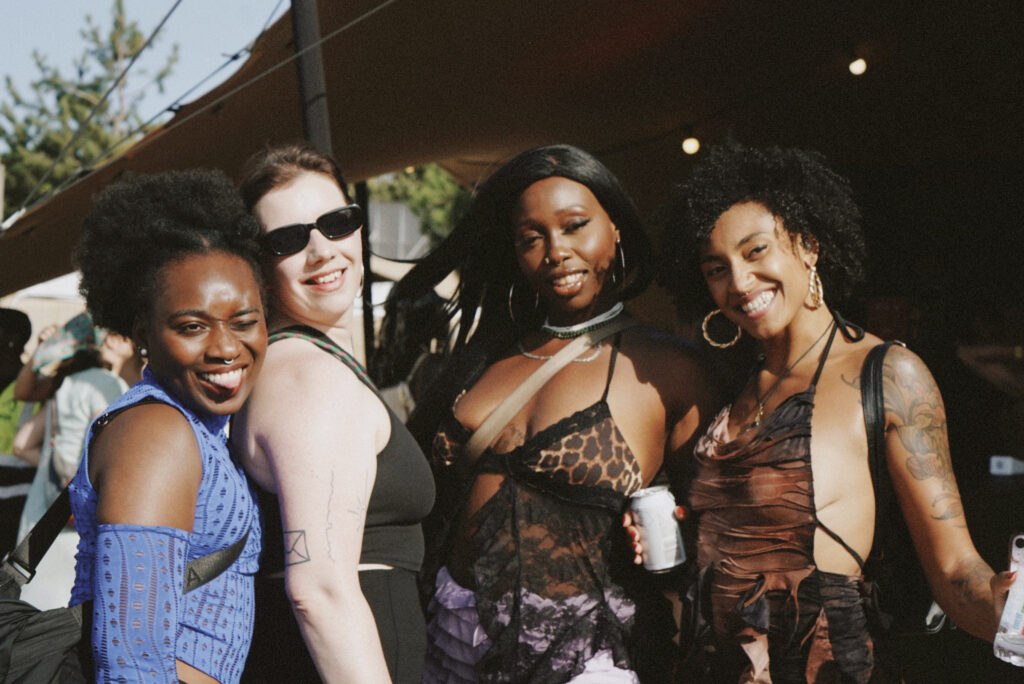
Pics from – Elaine Perez @elaine.perezphotography