By Nick Morgan
I was asked at Amsterdam Dance Event last week whether it has all become too corporate. My answer: wherever there’s money on this scale, the biggest brands, agencies and investors follow, and electronic music is on course to become a $24.5 billion industry by 2032, according to one market forecast. That doesn’t have to mean the end of the culture that makes it special. It’s what infrastructure at scale looks like.
What I want it to deliver is more people dancing: more venues, more promoters, more clubs, more events and more festivals. The real test is whether the growth reaches the people who make that happen.
Promoters are first in line, and they are among the boldest entrepreneurs I know. ADE’s own live industry panel started from the question of whether independents can survive a business reshaped by investor money and edging towards duopoly. They carry the risk on every show. Fees at the top keep rising, margins are thin, and a name with numbers behind it feels like insurance. One artist at ADE described walking away from a major slot because the headliner had taken almost the entire fee. Insomniac’s Pasquale Rotella used his keynote to suggest the biggest DJs play a set number of reduced fee shows a year so independents can keep putting lineups together. Without promoters able to take risks, there is no next generation.
That pressure shows up in who gets booked. There is now a lot of software doing deep analysis of performers: their marketing reach, their social following, the ticket sales they can be expected to drive, and it is influencing lineups more and more. Being an internet star and delivering for an audience inside an event are not the same skill, and a lineup chosen on numbers can sell out and still make a flat night. Talent rises by being booked. Plenty is coming through, but too little of it is sticking.
This is where brands come in. Back in 2017 I said on a podcast that we were seeing more briefs from brands wanting to own their own events and almost act as promoters. Nine years on, the shift from passive sponsorship to active ownership is well under way. Every brand and agency wants a piece of electronic music, because it reaches the 18 to 34 audience in huge numbers, engaged all year round in a cycle of anticipation, ticket purchase, attendance and the next event, across festival seasons, clubs, artists and territories. What they are really after is credibility, and credibility is made at independent level, by promoters and artists on the way up. A brand that owns its own property and backs them over several years earns a real place in the culture. This audience can tell when a brand has bought its way in, so brands will only succeed if they collaborate with the right people. The agency is often the right partner for the campaign, but producing a live experience that feels credible to this crowd is a specialism, and it’s the work we do every day. The priority is an experience that stays audience first while still giving brands the awareness and return they need.
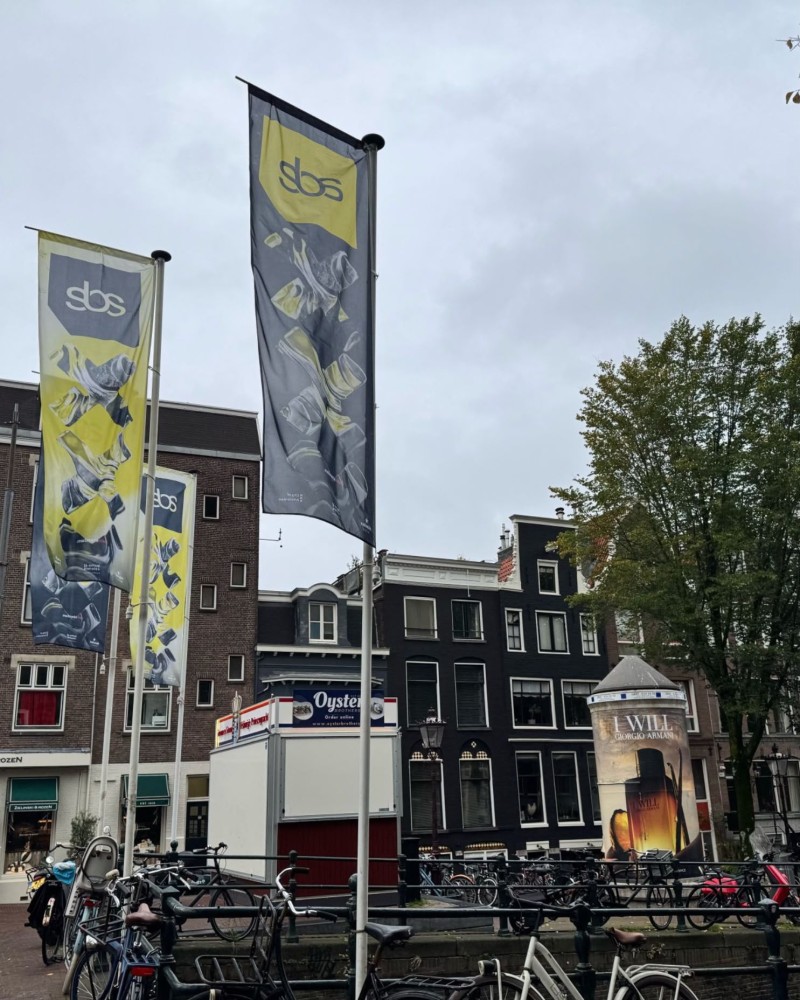
It rained, as it does every year. I spent the week in meetings rather than at shows, and what still strikes me about ADE is that everyone talks to everyone. Promoters, agents, brands, artists, people looking for their first job and people running global businesses all end up in the same conversations, with no hierarchy and no barriers. If you’re starting out, it’s the one week when the whole industry is in one city and open to talking. That openness is what the next generation depends on, and it’s worth protecting as the money arrives.
The growth will bring investment. The test is where it goes. Put it into venues, independent promoters, artists who haven’t got the numbers yet and brand partnerships produced by people who understand the scene, and we get more people dancing and a new generation of artists coming through.
Leave it all at the top of the bill and we’ll be booking the same names for another ten years.